Spices as Natural Food Preservatives: How They Help in Food Storage
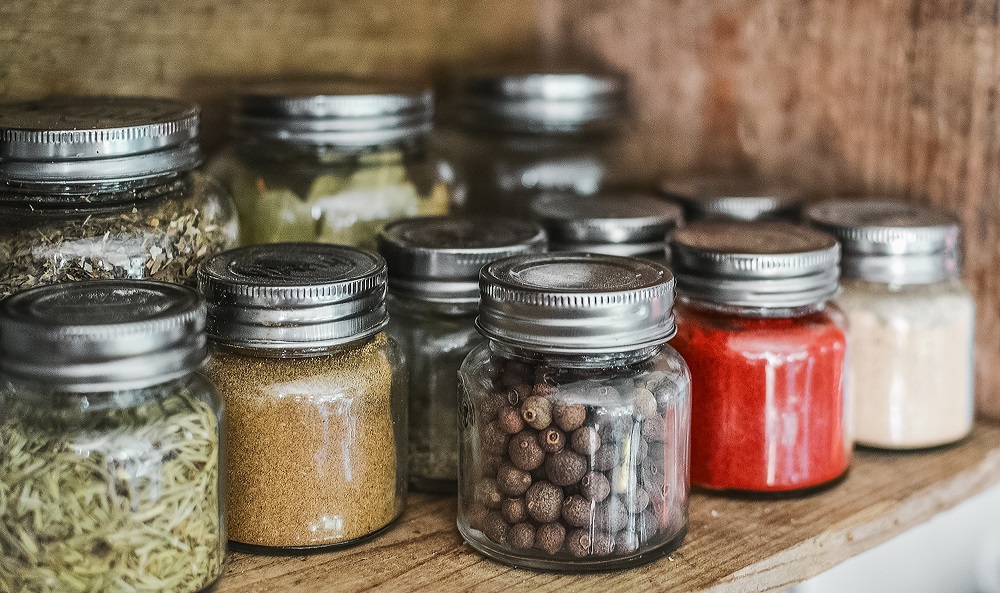
Photo by Pixabay

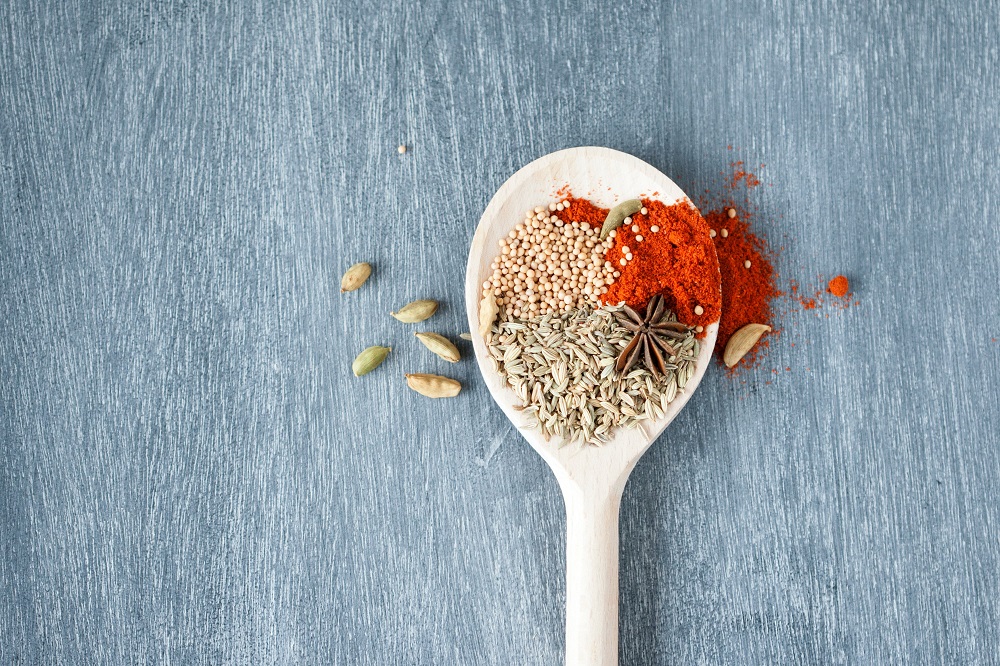
Food preservation is a practice as old as human civilization itself. From ancient times to the modern era, humans have continuously sought ways to extend the shelf life of food, ensuring a stable and reliable food supply. One of the most intriguing and effective methods of food preservation involves the use of spices. These aromatic, flavorful substances not only enhance the taste of our meals but also serve as natural food preservatives. In this article, we explore the history, science, and practical applications of using spices to preserve food, shedding light on their valuable role in food storage.

A Journey Through History: The Use of Spices as Preservatives

The use of spices in food preservation dates back thousands of years, originating in ancient civilizations where knowledge of spices’ preservative properties was passed down through generations.

Ancient Egypt and Mesopotamia

In ancient Egypt, herbs and spices like coriander, cumin, and garlic were used to preserve meats. The dry desert environment naturally lent itself to food preservation, but spices were still employed to enhance the flavor and extend the shelf life of various dishes.

Similarly, in Mesopotamia, the cradle of civilization, spices like cumin and fenugreek were used to preserve food. They also utilized fermentation, drying, and salting techniques in combination with spices to prevent spoilage.

Ancient India

India, known for its rich history of spice cultivation and use, has long harnessed the preservative power of spices. Traditional Indian pickles, or “achar,” are made by marinating fruits and vegetables in a mixture of various spices and oil, preserving them for months or even years. Turmeric, mustard seeds, and asafoetida are just a few of the many spices employed in this culinary tradition.

Ancient China

In ancient China, spices such as star anise, cassia bark, and cloves were utilized to preserve meats and create flavorful dishes. The use of these spices played a significant role in the development of Chinese cuisine.

The Science Behind Spice Preservation

The use of spices in food preservation may seem like an age-old tradition, but it is firmly rooted in scientific principles. Several mechanisms explain how spices help prevent food spoilage:

1. Antimicrobial Properties

Many spices exhibit strong antimicrobial properties due to the presence of natural compounds. For example, essential oils found in spices like oregano, thyme, and cinnamon contain compounds such as thymol and cinnamaldehyde, which have potent antibacterial and antifungal effects. These natural chemicals can inhibit the growth of spoilage microorganisms and foodborne pathogens.

2. Antioxidant Effects

Spices are rich in antioxidants, which help prevent oxidative processes that can lead to food deterioration. Oxidation is a major factor in the spoilage of fats and oils, leading to rancidity. Spices like rosemary, sage, and cloves contain antioxidants that can protect against lipid oxidation, preserving the quality of foods that contain fats.

3. pH Regulation

Spices can also influence the pH of foods. Many microorganisms require a specific pH range for growth, and altering the pH can inhibit their development. For instance, pickling spices like cloves, mustard seeds, and black peppercorns create an acidic environment when combined with vinegar, preventing the growth of spoilage microorganisms.

4. Enzyme Inhibition

Enzymes are biological molecules that catalyze chemical reactions, including those responsible for food spoilage. Some spices, such as ginger and turmeric, contain compounds that inhibit the activity of enzymes that break down proteins and fats. This inhibition helps maintain the texture and quality of foods over time.

Spices in Action: Practical Applications

Spices offer versatile and effective means of food preservation, with applications ranging from home kitchens to large-scale food production.

1. Meat Preservation

Meat is highly perishable due to its moisture content and nutrient-rich composition, making it a breeding ground for bacteria and spoilage microorganisms. Spices like black pepper, garlic, and paprika are commonly used to preserve meat products. They not only add flavor but also help inhibit microbial growth, extending the meat’s shelf life.

2. Pickling

Pickling is a preservation method that relies heavily on spices. Vegetables, fruits, and even fish can be preserved by immersing them in a brine solution containing spices like cloves, dill, and bay leaves. The combination of acidity from vinegar and the antimicrobial properties of spices creates an inhospitable environment for spoilage microorganisms.

3. Spice Mixtures and Blends

Many cultures have developed spice mixtures and blends tailored for specific preservation purposes. For example, curry powder in Indian cuisine often contains spices like turmeric and fenugreek, which contribute to both flavor and preservation. Similarly, Chinese five-spice powder combines star anise, cloves, and other spices, enhancing the preservation of dishes.

4. Spice-Infused Oils and Vinegars

Spices can also be used to infuse oils and vinegars, creating flavorful and preservative-rich condiments. Rosemary-infused olive oil or garlic-infused vinegar, for instance, not only add taste to dishes but also inhibit the growth of bacteria and molds, extending their shelf life.

5. Dry Rubs and Marinades

Dry rubs and marinades made with spices are not only great for flavor enhancement but also for food preservation. When meats are coated with spice rubs or marinated in mixtures containing spices, the antimicrobial properties of these spices help prevent spoilage during cooking and storage.

Challenges and Considerations

While spices are potent natural food preservatives, there are some challenges and considerations to keep in mind:

1. Allergies and Sensitivities

Some individuals may have allergies or sensitivities to certain spices. It’s essential to be aware of potential allergens when using spices in food preservation, especially in commercial food production where labeling is critical.

2. Consistency and Dosage

Achieving consistent results with spice-based preservation methods can be challenging. The quality and concentration of spices can vary, impacting their preservative efficacy. Proper dosage and uniform mixing are crucial for successful preservation.

3. Regulatory Compliance

In commercial food production, there are often strict regulations regarding the use of preservatives, including spices. It’s essential for food manufacturers to adhere to these regulations to ensure product safety and quality.

4. Flavor Considerations

While spices enhance flavor, the use of excessive amounts or incompatible spice combinations can overpower the taste of the preserved food. Finding the right balance between preservation and flavor is an ongoing challenge.

Conclusion: Spices as Guardians of Flavor and Freshness

Spices, with their rich history and diverse flavors, have been key players in the preservation of food for centuries. Their natural antimicrobial properties, antioxidant effects, and enzyme-inhibiting capabilities make them invaluable tools in extending the shelf life of a wide range of food products.

As we continue to explore innovative ways to preserve food while maintaining its nutritional value and flavor, spices remain at the forefront of the food preservation landscape. From ancient civilizations to modern kitchens and commercial food production, spices have proven to be not only guardians of flavor but also protectors of freshness and food safety. Embracing the age-old wisdom of our ancestors, we can continue to harness the power of spices to ensure that our culinary traditions and food supply remain vibrant and enduring.

Generated by ChatGPT
Exploring Exotic Spices: Uncommon and Unique Flavors

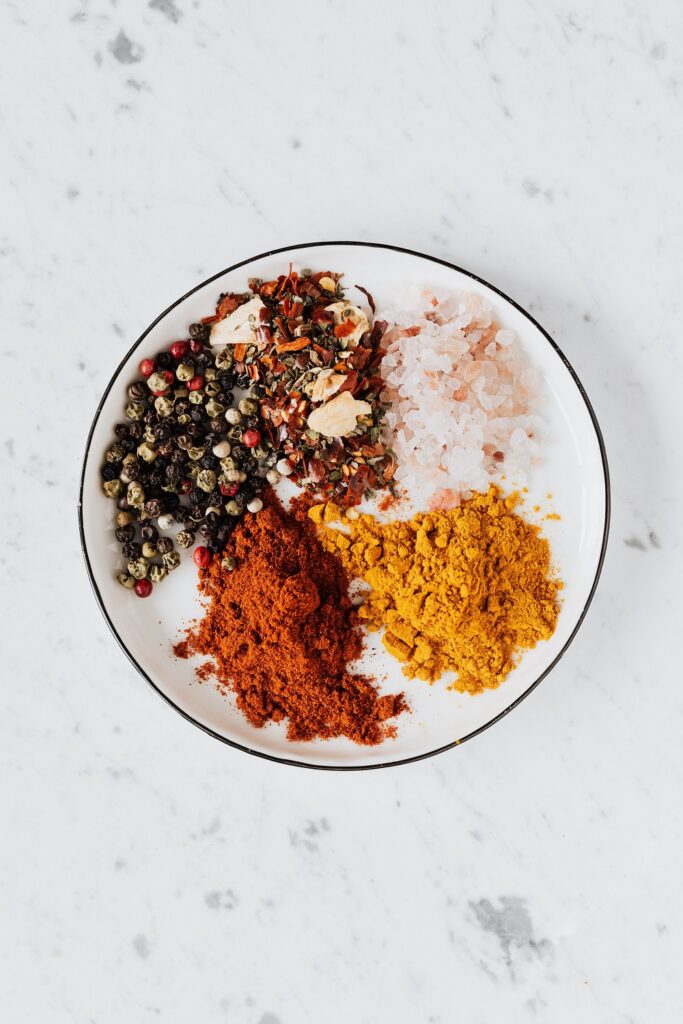
Spices have played a transformative role in the world of cuisine for centuries. They have added depth, character, and complexity to dishes, turning simple ingredients into culinary masterpieces. While staples like salt, pepper, and cinnamon are well-known and widely used, there exists a fascinating world of exotic spices that offer uncommon and unique flavors. In this article, we embark on a flavorful journey to explore these remarkable spices, discovering the culinary treasures they hold.

1. Saffron: The King of Spices

Saffron, often referred to as the “king of spices,” is derived from the delicate stigmas of Crocus sativus flowers. It is known for its striking crimson hue and unparalleled aroma. Saffron imparts a rich, earthy flavor with floral undertones to dishes, making it a prized addition to paellas, risottos, and desserts like saffron-infused ice cream.

2. Sumac: The Citrusy Tang

Sumac, popular in Middle Eastern and Mediterranean cuisines, offers a tart, citrusy tang to dishes. It is made from the ground berries of the sumac shrub and is a key ingredient in the spice blend za’atar. Sumac elevates salads, roasted meats, and grilled vegetables with its unique flavor profile.

3. Asafoetida: The Secret Enhancer

Asafoetida, also known as “hing,” is a pungent spice derived from the resin of the Ferula plant. It has a strong, onion-like aroma when raw but adds a savory umami depth when cooked. Asafoetida is a staple in Indian cuisine, used to season lentils, curries, and pickles.

4. Grains of Paradise: The Peppery Elegance

Grains of Paradise, a distant cousin of ginger, bring a peppery and slightly citrusy flavor to the table. Often described as a spicier version of black pepper, they are a favorite in traditional European dishes like spiced beer and gin. They add complexity to stews, sauces, and roasted meats.

5. Ajwain: The Herbal Spice

Ajwain, or carom seeds, is a spice with a robust herbal flavor and a hint of thyme. It is a common ingredient in Indian and Middle Eastern cuisines, where it is used to flavor bread, snacks, and vegetable dishes. Ajwain’s distinct taste adds depth to dishes like pakoras and parathas.

6. Star Anise: The Licorice Marvel

Star anise is a star-shaped spice with a potent licorice-like flavor. It is a key component of Chinese five-spice powder and is used in various Asian cuisines. Star anise enhances the taste of braised dishes, soups, and even desserts, like spiced poached pears.

7. Fenugreek: The Maple Twist

Fenugreek seeds have a slightly bitter taste with a hint of maple. They are a staple in Indian and Middle Eastern cuisines, often used in spice blends and curry dishes. Fenugreek lends a unique, earthy sweetness to dishes like butter chicken and lentil soups.

8. Grains of Selim: The Smoky Elegance

Grains of Selim, also known as African pepper, have a smoky and slightly fiery flavor. Indigenous to West Africa, they are used in spice blends and stews, imparting a unique smokiness to dishes. Grains of Selim are essential in making traditional dishes like Senegalese peanut soup.

9. Long Pepper: The Spicy Twist

Long pepper is a distant relative of black pepper, with a more complex and spicy flavor profile. It was once a prized spice in medieval Europe but fell out of favor over time. Nowadays, it’s making a comeback in gourmet cuisine, offering a fiery twist to dishes like grilled meats and soups.

10. Black Cardamom: The Smoky Aroma

Black cardamom, distinct from its green counterpart, has a smoky, earthy flavor with a hint of camphor. It is a staple in Indian and Chinese cuisines, used to flavor rice dishes, curries, and meaty stews. Black cardamom’s smoky aroma adds depth to dishes like biryani and garam masala.

11. Galangal: The Exotic Ginger

Galangal, often mistaken for ginger, is a root with a peppery and citrusy flavor. It is a cornerstone of Thai and Indonesian cuisine, enhancing the taste of curries, soups, and stir-fries. Galangal’s unique profile distinguishes it from common ginger, giving dishes a distinct exotic twist.

12. Epazote: The Mexican Herb

Epazote is an aromatic herb native to Central and South America. It has a pungent, citrusy flavor and is a key ingredient in Mexican cuisine, particularly in bean dishes and stews. Epazote’s unique taste complements the flavors of traditional Mexican fare.

13. Cubeb Pepper: The Berry Spice

Cubeb pepper, native to Java and other Indonesian islands, has a complex flavor profile with hints of black pepper, citrus, and pine. It was once a coveted spice in medieval Europe. Cubeb pepper enhances the taste of pickles, sausages, and gin, providing a unique twist to culinary creations.

14. Amchur: The Tangy Powder

Amchur, or dried green mango powder, adds a tart and citrusy kick to dishes. It is a staple in Indian cuisine, used in chutneys, marinades, and spice blends. Amchur’s tangy flavor elevates the taste of curries, chaats, and lentil dishes.

15. Juniper Berries: The Gin Companion

Juniper berries are known for their piney, resinous flavor and are a crucial ingredient in gin production. They also find their place in various European dishes, particularly in game meats and sauerkraut. Juniper berries’ unique taste adds depth to sauces and marinades.

16. Mahlab: The Cherry Aroma

Mahlab is a spice made from ground cherry pits and has a distinctive cherry-almond aroma and flavor. It is a staple in Middle Eastern and Mediterranean sweets and bread. Mahlab lends a unique twist to pastries, bread, and desserts like ma’amoul.

17. Lovage: The Celery Substitute

Lovage is an herb with a flavor reminiscent of celery and parsley, but with a more intense herbal kick. It was popular in medieval European cuisine and is making a comeback in modern dishes. Lovage adds depth to soups, stews, and savory sauces.

18. Dried Kaffir Lime Leaves: The Citrus Zing

Dried Kaffir lime leaves, with their vibrant citrus aroma and flavor, are used extensively in Thai and Southeast Asian cuisines. They infuse curries, soups, and stir-fries with a refreshing, zesty twist.

19. Pink Peppercorns: The Fruity Spice

Pink peppercorns, though not true peppercorns, have a fruity and mildly spicy flavor. They are a favorite in French cuisine, where they are used to season meats, sauces, and salads. Pink peppercorns’ vibrant color and unique flavor add a touch of elegance to dishes.

20. Cassia Bark: The Cinnamon Cousin

Cassia bark, often confused with cinnamon, has a similar but more robust flavor profile. It is a key spice in Chinese five-spice powder and is used in various savory and sweet dishes. Cassia bark lends a warm, spicy depth to recipes like braised meats and spiced desserts.

21. Tasmanian Pepperberry: The Bold Heat

Tasmanian pepperberry is native to Australia and has a bold, spicy flavor with hints of herbal and floral notes. It is used to season meats, seafood, and sauces. Tasmanian pepperberry’s unique heat level sets it apart from more common spices.

22. Annatto Seeds: The Vibrant Colorant

Annatto seeds, known for their vibrant red-orange hue, have a mild, earthy flavor. They are a staple in Latin American and Caribbean cuisines, used to add color and flavor to rice, stews, and sauces. Annatto seeds’ vibrant appearance makes dishes visually appealing.

23. Black Cumin: The Nutty Spice

Black cumin, also known as Nigella or kalonji, has a nutty, slightly bitter flavor. It is used in Indian and Middle Eastern cuisines to season bread, pickles, and curries. Black cumin’s distinctive taste adds depth to dishes like naan bread and biryani.

24. Long Pepper: The Forgotten Spice

Long pepper, once a prized spice in medieval Europe, has a spicier and more complex flavor than regular black pepper. It is making a resurgence in gourmet cuisine, adding a fiery twist to grilled meats, sauces, and soups.

25. Dill Pollen: The Herbaceous Delight

Dill pollen, harvested from dill flowers, offers an intense herbaceous flavor with hints of licorice and citrus. It is a versatile spice that complements fish, chicken, and vegetable dishes. Dill pollen’s unique profile elevates the taste of salads, dips, and seafood.

26. Pink Szechuan Peppercorns: The Floral Spice

Pink Szechuan peppercorns, a distant relative of black pepper, have a floral, slightly spicy flavor with a numbing sensation. They are a key ingredient in Chinese cuisine, particularly in Szechuan dishes. Pink Szechuan peppercorns add complexity and a unique mouthfeel to stir-fries and spicy sauces.

27. Urfa Biber: The Smoky Heat

Urfa biber, a dried Turkish chili pepper, offers a smoky and moderately spicy flavor. It is a staple in Turkish cuisine, used to season kebabs, pilafs, and grilled meats. Urfa biber’s distinctive smokiness enhances the taste of a wide range of dishes.

28. Ajowan: The Herbal Spice

Ajowan, or ajwain, has a robust herbal flavor with a hint of thyme. It is a common spice in Indian and Middle Eastern cuisines, used to season bread, snacks, and vegetable dishes. Ajowan’s distinct taste adds depth to dishes like pakoras and parathas.

29. Black Lime: The Tangy Twist

Black lime, also known as dried lime or loomi, has a tangy and slightly fermented flavor. It is used in Middle Eastern cuisine, particularly in soups, stews, and rice dishes. Black lime’s unique taste adds complexity to dishes like Persian lamb stew.

30. White Pepper: The Mild Heat

White pepper, derived from the same plant as black pepper, has a milder and less pungent flavor. It is popular in European cuisine, used in dishes like creamy sauces, mashed potatoes, and white pepper crab. White pepper’s subtle heat complements the flavors of delicate dishes.

Conclusion

The world of spices is a rich tapestry of flavors, aromas, and traditions. While common spices like salt, pepper, and cinnamon are beloved staples in kitchens worldwide, exploring exotic spices opens up a world of culinary possibilities. These uncommon and unique flavors can elevate dishes to new heights, adding depth and character that transform the ordinary into the extraordinary. So, don’t hesitate to embark on your own flavorful journey, experimenting with these exotic spices to create culinary masterpieces that delight the senses and awaken the palate.

Generated by ChatGPT

Top 7 Essential American Spices

Photo by Kim van Vuuren

America is a melting pot of cultures and traditions, and as such, its cuisine is a mix of flavors from all over the world. Spices are an essential ingredient in American cuisine, as they add depth and complexity to dishes. Spices have been used for centuries to flavor food and preserve it as well, but their history in America dates back to the colonial era.

Here are some of the essential American spices that have shaped the country’s cuisine over the years:

1. Cinnamon

Cinnamon is a spice that can be found on almost every American pantry shelf. It comes from the inner bark of a tree, and its sweet and warm flavor make it an ideal seasoning for everything from baked goods to meat dishes. Cinnamon was first imported to the United States by Christopher Columbus, who was looking for a new trade route to India. Today, cinnamon is grown mainly in Indonesia, China, and Sri Lanka.

Cinnamon has a long history in American cuisine. The Pilgrims used it to flavor their stews and soups, while cinnamon rolls have been a favorite breakfast food since the 1700s. Cinnamon is also commonly used in apple pie and other baked goods. In recent years, it has also become a popular addition to coffee and tea.

2. Paprika

Paprika is another essential American spice that adds color and flavor to many dishes. It is made from dried peppers and ranges in flavor from mild to spicy. Paprika was first imported to America by Spanish conquistadores, who brought it back from Central America where it was first grown by indigenous peoples.

Today, paprika is grown mainly in Spain, Hungary, and South America. It is commonly used in American cuisine as a seasoning for meats like chicken and pork. It is also an essential ingredient in Hungarian goulash.

3. Vanilla

Vanilla is a sweet spice that is used primarily in desserts but can also be found in savory dishes. It is made from the pods of a tropical orchid, and its sweet and floral flavor make it highly prized among chefs. Vanilla was first cultivated in Mexico, but today it is grown primarily in Madagascar and other tropical countries.

Vanilla has a long history in American cuisine, dating back to the Aztecs who used it to flavor their chocolate drinks. Today, it is commonly used in baked goods like cakes and cookies, as well as ice cream and other desserts.

4. Nutmeg

Nutmeg is a spice that comes from the fruit of a tropical tree. It has a warm and slightly sweet flavor that makes it an ideal seasoning for both sweet and savory dishes. Nutmeg was first imported to the United States by European explorers, who sought out new trade routes to Asia.

Today, nutmeg is grown primarily in Indonesia, but it is used worldwide in a variety of dishes. In American cuisine, nutmeg is commonly used in pumpkin pie and other baked goods. It is also added to cream-based sauces and soups.

5. Cloves

Cloves are a pungent spice that come from the flower buds of an evergreen tree. They have a strong and slightly sweet flavor that complements both sweet and savory dishes. Cloves were first imported to America by Dutch traders who brought them from the East Indies.

Today, cloves are grown mainly in Indonesia, but they can be found in kitchens all over the world. In American cuisine, cloves are commonly used in ham glazes and pumpkin pie. They are also added to spiced cider and chai tea.

6. Allspice

Allspice is a spice that comes from the dried fruit of an evergreen tree. It has a warm and slightly sweet flavor that is similar to a combination of cinnamon, nutmeg, and cloves. Allspice was first brought to Europe by Spanish explorers who discovered it in the Caribbean.

Today, allspice is grown primarily in Jamaica, but it is used in kitchens all over the world. In American cuisine, allspice is commonly used in jerk seasoning and pickling spice. It is also added to baked goods like gingerbread and fruitcake.

7. Sage

Sage is an herb that is commonly used as a seasoning for meat dishes. It has a strong and slightly bitter flavor that complements rich and savory flavors. Sage was first introduced to America by European settlers who brought it with them on their voyages.

Today, sage is grown all over the world, but it is an essential ingredient in American cuisine. It is often used to season Thanksgiving turkey and other poultry dishes. It is also added to stuffing, sausage, and other meat dishes.

American cuisine owes much of its flavor and complexity to the use of spices. From sweet and floral vanilla to pungent cloves and nutmeg, these spices have been used for centuries to add depth and complexity to dishes. Whether you are a professional chef or a home cook, incorporating these essential American spices into your cooking will help bring out the true flavor of your dishes.