Why Spices Were Ancient Gold: Trade, Power, and Unseen Value Revealed
TL;DR
Spices were among the world’s most valuable commodities for centuries because they were rare, difficult to transport, and highly sought after for cooking, medicine, preservation, and religious ceremonies. Their trade created immense wealth, influenced political power, inspired exploration, and even helped shape the modern global economy. Understanding why spices were once worth fortunes gives us a fascinating look at how everyday ingredients changed the course of history.
Introduction: When a Handful of Pepper Was Worth a Fortune
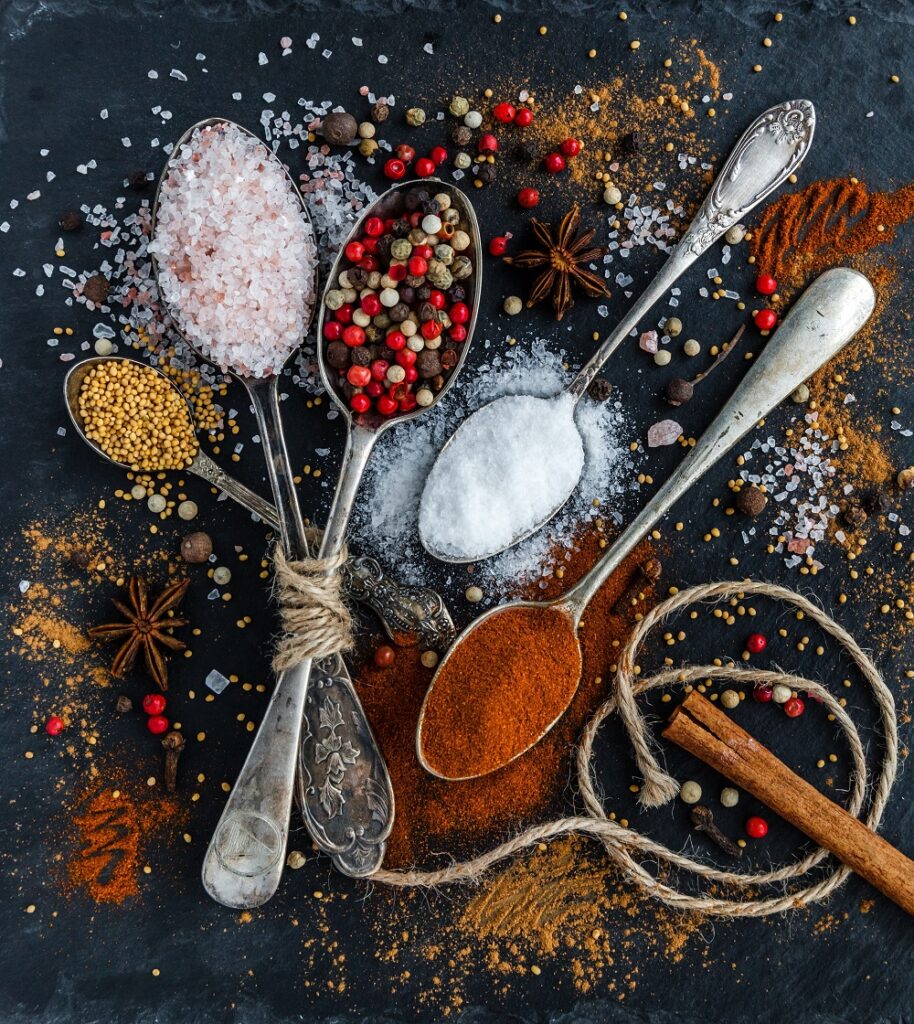
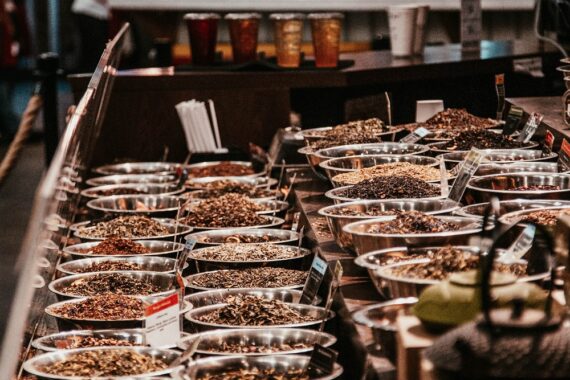
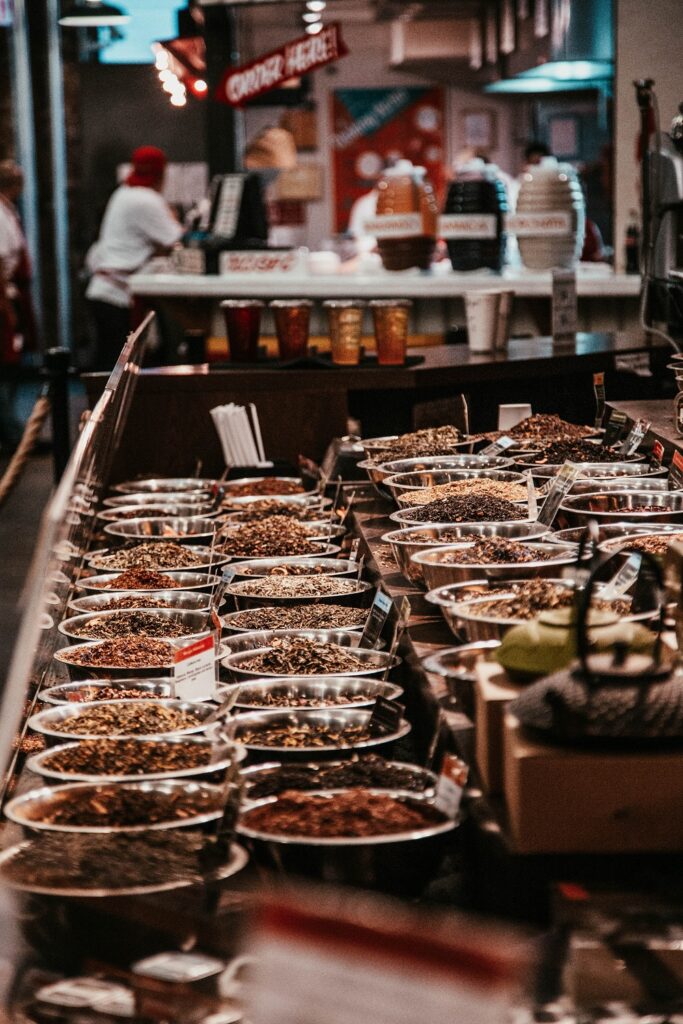
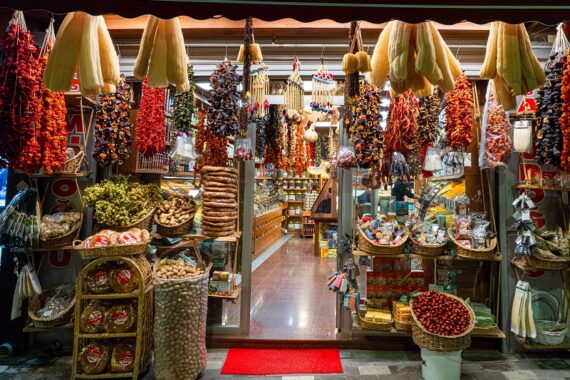
Picture yourself walking through a lively medieval marketplace. Merchants call out from colorful stalls while the air is filled with the rich aromas of freshly ground black pepper, sweet cinnamon, fragrant cardamom, and exotic cloves. Wealthy buyers inspect tiny sacks of spices with remarkable care because those small bundles represent extraordinary value. In some places and periods, a pouch of cloves or pepper could be worth as much as livestock or months of wages.
It may seem surprising today, when spices are available in nearly every grocery store, but there was a time when these everyday seasonings ranked among the world’s most prized possessions.
So, why were spices so valuable in ancient times?
The answer goes far beyond flavor. Their worth came from a combination of rarity, limited production, dangerous trade routes, medicinal importance, religious significance, and the enormous profits earned by merchants who controlled their distribution. Spices became symbols of prestige, powerful economic assets, and strategic resources that influenced kingdoms and empires.
Let’s explore how these humble ingredients became the ancient world’s version of gold and why their story still matters today.
Spices as Scarce Luxury Goods
Scarcity was one of the biggest reasons spices commanded extraordinary prices.
Many of the world’s most desirable spices grew only in a handful of distant regions. Black pepper came primarily from India’s Malabar Coast. Nutmeg and cloves were native to the isolated Spice Islands of present-day Indonesia. Cinnamon reached foreign markets through carefully guarded trade networks.
Because production was concentrated in relatively few places, getting spices to consumers required long, expensive, and risky journeys.
Merchants transported their valuable cargo across deserts, mountains, dense forests, and dangerous seas. Every stage of the trip involved additional costs.
These included:
- Transportation expenses
- Taxes imposed by local rulers
- Customs duties
- Storage fees
- Insurance against piracy and theft
- Profits earned by multiple middlemen
By the time spices reached markets in Europe or the Mediterranean, their prices had increased dramatically.
Black pepper provides an excellent example. A shipment leaving India might pass through several trading centers before arriving in Roman or medieval European markets. Every trader added a markup, making even a small quantity incredibly expensive.
In many places, a modest bag of pepper could cost more than a servant earned in an entire month. This rarity transformed spices into luxury goods reserved primarily for wealthy households, nobles, successful merchants, and royal courts.
More Than Flavor: Why Ancient People Needed Spices
Modern cooks often think of spices simply as ingredients that make food taste better. Ancient civilizations certainly appreciated their flavors, but spices served many additional purposes that made them even more valuable.
Preserving Food
Long before refrigeration, preserving food was a constant challenge.
Salt remained the primary preservative, but many spices helped improve the taste of stored foods and could slow spoilage under certain conditions. Strong flavors also helped mask unpleasant odors in foods that had begun to deteriorate.
While spices were not magical preservatives, they played an important supporting role in food preparation and storage.
Ancient Medicine
Medical traditions throughout the ancient world relied heavily on spices.
Physicians and healers in Greece, India, China, and the Middle East recorded numerous recipes using aromatic plants and spices to treat common illnesses.
People believed various spices could help:
- Improve digestion
- Ease stomach discomfort
- Reduce inflammation
- Warm the body
- Improve circulation
- Support overall health
Whether every remedy worked by modern scientific standards is another question, but these beliefs created steady demand across cultures for centuries.
Religious and Spiritual Importance
Spices also carried deep symbolic meaning.
Temples and places of worship frequently used fragrant spices and resins during ceremonies. Incense made from valuable aromatics filled sacred spaces with pleasant scents while symbolizing purification, devotion, and respect.
Many religious traditions viewed these precious substances as worthy offerings for kings, deities, and honored guests.
Their spiritual importance further increased their value beyond everyday practical use.
Trade Networks and the Rise of Merchant Power
The spice trade did far more than move ingredients from one place to another. It reshaped economies and helped create some of history’s wealthiest cities.
Trade routes stretching across Asia, the Middle East, Africa, and Europe connected civilizations long before the modern era of globalization.
Where these routes flourished, prosperity often followed.
Merchants who controlled access to spices accumulated enormous fortunes. Cities positioned along major trade routes became commercial powerhouses.
One of the greatest examples was Venice.
Venetian merchants purchased spices arriving from eastern markets and redistributed them throughout Europe. Acting as intermediaries allowed Venice to earn significant profits while strengthening its economy and political influence.
As demand continued to rise, European nations searched for ways to bypass established middlemen.
Portugal eventually found a direct sea route around Africa to India.
Later, the Dutch and English established trading companies and competed fiercely for control of spice-producing regions.
These expeditions were not simply culinary adventures. They represented calculated economic strategies designed to secure immense wealth and expand national influence.
Competition over spices helped fuel exploration, colonial expansion, and global maritime trade.
A Merchant’s Story: The Human Side of the Spice Trade
History often focuses on kings, explorers, and empires, but ordinary merchants played an equally important role in the spice trade.
Imagine a merchant named Marco arriving at a bustling port during the late fifteenth century.
His ship carries a cargo hold packed with sacks of black pepper collected after months of travel across dangerous seas.
At the docks, brokers carefully inspect each shipment.
Potential buyers rub peppercorns between their fingers and inhale the rich aroma before negotiating prices.
Marco spends long hours discussing contracts, paying taxes, settling port fees, and arranging future shipments.
Every successful sale supports not only his own livelihood but also the sailors, warehouse workers, craftsmen, farmers, and family members who depend on the trade.
Each voyage carries enormous financial risk.
Storms, piracy, disease, or political conflict could destroy months of investment overnight.
For merchants like Marco, spices represented opportunity and uncertainty in equal measure.
Spices as Currency and Symbols of Wealth
Because spices held such tremendous value, they often functioned as more than simple cooking ingredients.
They became visible signs of prosperity.
Serving richly spiced dishes during banquets demonstrated wealth, sophistication, and international connections.
Guests immediately recognized that the host possessed resources capable of obtaining rare imported goods.
In some regions, spices also served as a practical form of payment.
When coins were scarce or unavailable, valuable spices could be exchanged for goods and services because everyone understood their worth.
This gave spices several characteristics commonly associated with money.
They were:
- Valuable
- Portable
- Easy to trade
- Easy to divide into smaller quantities
- Widely recognized across trading regions
In many ways, spices became a portable store of wealth that could travel wherever merchants did.
Venice and the Pepper Trade: A Remarkable Historical Example
Few cities illustrate the power of the spice trade better than Venice.
During much of the Middle Ages, Venice dominated northern Europe’s access to valuable eastern spices.
Its merchants purchased pepper, cinnamon, cloves, ginger, and other luxury goods transported from Asia through Middle Eastern trading centers.
From there, Venetian trading networks distributed these products across Europe.
The profits generated by this commerce transformed Venice into one of the richest cities of its time.
Spice revenues helped finance impressive public buildings, magnificent works of art, advanced shipbuilding, military strength, and flourishing international commerce.
The city’s remarkable success demonstrates how a single commodity could influence economics, politics, architecture, and culture for generations.
A Sensory Journey Through an Ancient Spice Chest
Imagine opening a carefully sealed clay jar after a long trading voyage.
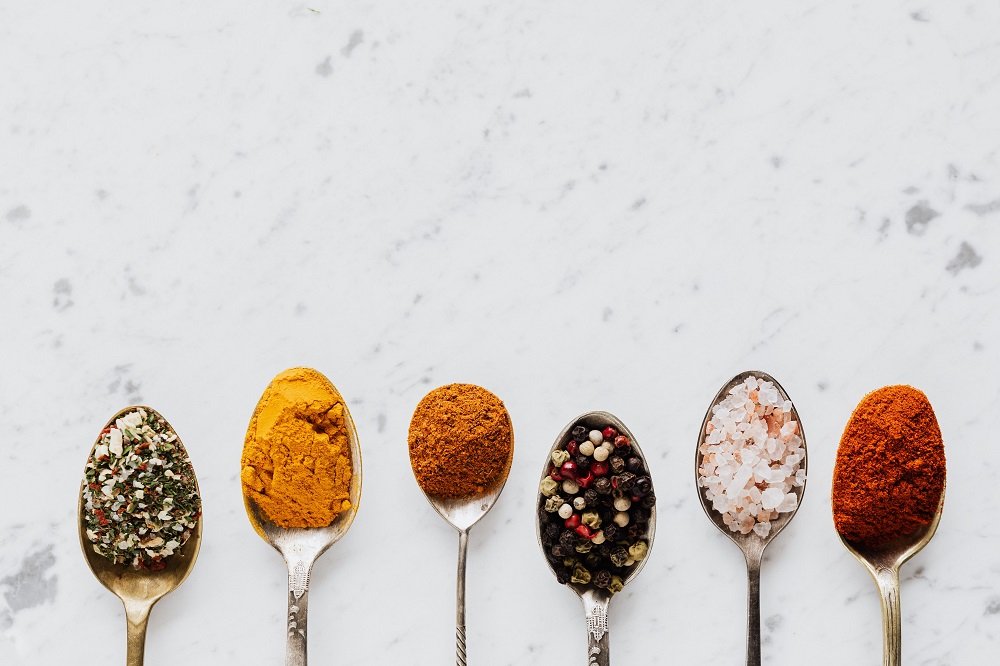
Inside lie delicate crimson saffron threads worth their weight in precious metals.
Nearby rests a pouch filled with earthy coriander seeds releasing warm citrus notes.
Bundles of fragrant rosemary contribute fresh pine-like aromas, while cinnamon fills the air with comforting sweetness.
Each spice offers a unique combination of color, texture, and fragrance.
For people living centuries ago, these scents represented distant lands, successful trade, and remarkable luxury.
Receiving spices as gifts was considered an extraordinary honor because they combined beauty, rarity, and usefulness in a single package.
A Surprising Perspective: Spices as Ancient Health Insurance
Many people assume ancient societies valued spices mainly because they made food taste better.
The reality is far more interesting.
In an age without refrigeration, antibiotics, or modern food safety standards, maintaining health was far more difficult.
Although spices were not miracle cures, they formed an important part of traditional medicine and daily food preparation.
People believed they could reduce digestive problems, support wellness, and improve the quality of stored foods.
From their perspective, investing in valuable spices was not simply about enjoying better meals.
It was also an investment in health, productivity, and survival.
This broader value helps explain why families, rulers, physicians, and religious institutions willingly paid premium prices for them.
Quick Facts About the Ancient Spice Trade
- Black pepper was sometimes valued more highly than gold by weight in parts of medieval Europe.
- The spice trade connected Asia, Africa, the Middle East, and Europe centuries before modern globalization.
- Spices played important roles in cooking, medicine, food preservation, religious ceremonies, and diplomacy.
- Competition for control of spice-producing regions contributed directly to the Age of Exploration.
- European colonial expansion was influenced in part by the enormous profits available through the spice trade.
- Merchant cities such as Venice became wealthy by controlling access to imported spices.
Why the History of Spices Still Matters in the United States
Although spices are affordable and widely available today, their historical influence continues to shape everyday life.
Global trade routes established centuries ago eventually affected commerce throughout the Americas, including colonial imports and later international markets.
Today’s American kitchens reflect this remarkable legacy.
Recipes regularly combine ingredients from India, Mexico, Southeast Asia, the Middle East, Europe, and Africa, creating an incredible diversity of flavors.
Farmers markets frequently feature locally blended spice mixes alongside imported seasonings from around the world.
Food festivals celebrate culinary traditions that owe much of their richness to centuries of global spice exchange.
Learning about spice history also provides valuable insight into economics, cultural exchange, exploration, and international trade.
Every jar sitting in a modern pantry carries a story that stretches back hundreds, and sometimes thousands, of years.
Bring History to Your Kitchen
One of the easiest ways to appreciate the legacy of the spice trade is by experimenting with spices in your own cooking.
Consider trying one of these simple ideas:
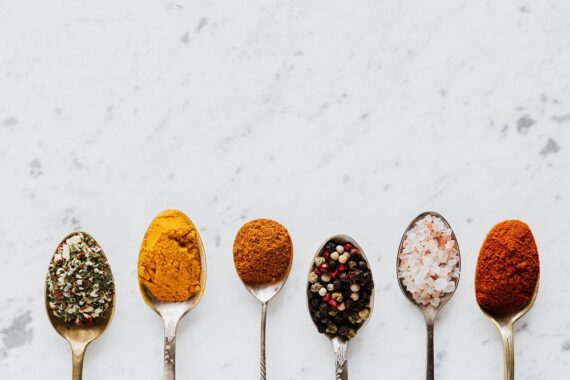
- Add freshly ground cumin to grilled vegetables for a deeper, earthier flavor.
- Compare freshly ground black pepper with pre-ground pepper to experience the difference in aroma.
- Visit a local farmers market and explore handcrafted spice blends.
- Try recreating a historical recipe using traditional spices such as cinnamon, cloves, ginger, or coriander.
- Share your favorite spice discoveries with friends and family to start conversations about their fascinating history.
Exploring new flavors is a small but enjoyable way to connect with a tradition that once shaped the global economy.
Images to Include
Historic Map of the Spice Routes
Caption: Medieval and early modern spice routes linked producers to global markets.
Alt text: Map showing spice trade routes from Asia to Europe.
Venetian Market Painting
Caption: Venice’s markets thrived on the spice trade.
Alt text: Historic painting of a Venetian market with merchants.
Modern U.S. Farmers Market Spice Stall
Caption: Spice culture lives on in local markets across the United States.
Alt text: Stall with jars of colorful spices at a U.S. farmers market.
Internal Linking Opportunities
Strengthen your site’s SEO and improve reader engagement by linking to related content, such as:
- An article about the world’s major historical trade routes and their lasting influence.
- A recipe featuring a traditional spice blend inspired by ancient cooking.
- A post exploring colonial history and the economic impact of global commerce.
Recommended Authoritative Sources
Support your article with trusted historical references, including:
- The Spice Trade: A History or another reputable university press publication covering spice trade history.
- British Library resources discussing exploration and global commerce.
- Smithsonian articles examining spices, exploration, and historical trade networks.
SEO Essentials
H1: Why Spices Were Ancient Gold: Trade, Power, and Unseen Value Revealed
Meta Title: Why Spices Were Ancient Gold
Meta Description: Discover why spices were worth fortunes in ancient times and how trade, medicine, religion, and status transformed them into history’s most valuable luxury goods.
Suggested URL Slug: why-spices-were-ancient-gold
Suggested Primary Sections:
- Spices as Scarce Luxury Goods
- Trade Networks and Merchant Power
- Spices in Everyday Life and Ceremony
Editorial and Readability Checklist
Before publishing, verify that the article meets these quality standards:
- Average sentence length remains under 20 words.
- Active voice is used throughout the article.
- Passive voice stays below 10 percent.
- Paragraphs contain no more than three sentences whenever possible.
- Transition words create a smooth reading experience.
- Yoast SEO and readability checks score well.
- Grammar and spelling are thoroughly proofread.
- No em dashes appear anywhere in the content.
Shareable Excerpt
“Spices once served as portable wealth, driving trade, inspiring exploration, advancing medicine, and helping build the global connections that continue to shape our world today.”
Conclusion
Spices earned their reputation as the ancient world’s gold because they offered far more than delicious flavors. Their rarity, practical uses, medicinal importance, religious significance, and role in international commerce made them some of history’s most valuable commodities.
The competition to obtain and control these remarkable ingredients reshaped economies, enriched powerful cities, inspired daring voyages, and connected distant civilizations through trade. Their influence can still be seen in today’s global food culture, international commerce, and diverse cuisines.
The next time you reach for black pepper, cinnamon, cumin, or cloves, remember that these familiar pantry staples once helped finance empires, inspire exploration, and transform world history.
If you enjoyed learning about the remarkable journey of spices, explore more stories about historical trade routes, traditional recipes, and the fascinating origins of the everyday foods that connect cultures across the globe.
Final Takeaway: Spices became the ancient world’s gold because their rarity, practical value, medicinal importance, and global trade networks gave them extraordinary economic and cultural power that continues to influence our lives today.
This post is generated by Chatgpt.