Imagine this scene. You are deep into a Super Bowl Sunday chili cook-off, surrounded by bubbling pots, sizzling pans, and serious competition energy. The meat is browning, the beans are simmering, and confidence is high. Then it happens. You add all your spices at the very end. The result? A wave of disappointment. Bowl after bowl tastes flat and lifeless. Guests smile politely, but you can tell something is missing. Your heart sinks a little.
Now imagine a different outcome. Same ingredients, same kitchen, same crowd. But this time, the flavor hits hard, layers unfold beautifully, and every spoonful gets a reaction. That transformation comes down to one simple but powerful idea: timing your spices correctly.
Some spices need early heat to build deep, rich foundations. Others need to be added later to preserve brightness and punch. Once you understand this rhythm, your cooking changes completely. This guide breaks down that kitchen magic so you can confidently level up your meals, whether it is a backyard BBQ, taco night, or a cozy weeknight dinner. Your taste buds are in for something exciting.
First, think about the payoff. No more dull meals or forgettable dishes. Instead, you get bold, restaurant-style flavors coming straight from your own stove. Let us unlock that secret together.
The Science of Spice Magic
So why does timing make such a huge difference? The answer lies in what spices actually are. Most spices contain volatile oils, and these oils are responsible for their flavor and aroma. When heat and fat are introduced, those oils activate and release their full potential.
If spices are added too late in the cooking process, those oils stay trapped and the flavor feels muted. But when you introduce them early, especially in warm oil, they “bloom” and release a much deeper and more complex aroma. That is why your kitchen suddenly smells incredible when spices hit hot oil at the right moment.
Take cumin as an example in Tex-Mex cooking. When you toast it in oil first, it develops a warm, nutty depth that completely changes the final dish. This is not just cooking tradition, there is real science behind it. Heat helps break down compounds inside the spice, unlocking savory notes that would otherwise stay hidden. Some spice experts suggest that blooming can boost flavor intensity significantly, making dishes taste richer and more complete.
However, there is an important myth to bust. Not every spice benefits from early heat. Some burn easily and turn bitter if exposed too long. Others lose their freshness if cooked too early. Understanding this balance is what separates average cooking from memorable meals.
Think about a slow-simmered gumbo. The roux and early spices create the backbone of flavor long before anything else is added. That is the kind of layering that wins cook-offs and impresses guests. It is exciting once you realize cooking is part chemistry, part creativity, and all flavor.
Early Birds: Spices That Need Heat to Shine
Some spices love the spotlight from the very beginning. These are your foundation builders, and they thrive when given time in hot oil.
Ground spices like cumin, coriander, and turmeric perform best when bloomed early. Start by heating oil in your pan, then add these spices and stir continuously for about one to two minutes. You will notice the aroma change quickly, becoming deeper, warmer, and more inviting. This is the moment where ordinary cooking starts to feel professional.
Whole spices also benefit from early attention. Toast them in a dry pan for about 30 seconds until they start to crackle and release fragrance. Then introduce oil to continue the blooming process. This technique is commonly used in global cuisines, but it also shows up in American comfort food traditions like Southern gumbo, where spice bases create incredible depth.
Turmeric and coriander are especially powerful in building flavor foundations for dishes like curries or chili. When done correctly, the base of your dish carries richness all the way through every bite.
A key tip here is heat control. Keep it moderate to avoid burning the spices, because burnt spices can ruin the entire dish quickly. The transformation is immediate, and once you experience it, there is no going back.
Mid-Game Powerhouses
This stage is where flavor starts building layers. You are no longer just creating a base, you are developing complexity.
Spices like paprika, chili powder, and cayenne work best when added after your protein has started browning. Why? Because these spices are bold and flavorful, but they can turn bitter if exposed to high heat for too long.
Adding them midway allows them to blend into the dish while still preserving their character. The result is smoky, spicy, and deeply satisfying flavor that feels balanced instead of overpowering.
Picture a big pot of Southwest chili. You brown your beef first, then stir in chili powder and paprika. Let everything cook together for a few minutes so the flavors can merge properly. The difference is dramatic. Instead of flat heat, you get layered warmth and richness.
This approach also works beautifully for BBQ ribs. A dry rub applied before cooking builds crust and flavor, while a mid-cook sprinkle can reinforce seasoning without burning it.
A simple guideline is to start with about one tablespoon of spice per pound of meat, then adjust based on taste and heat preference. This stage is where your dishes start to feel like they have real depth and personality.
Last-Minute Stars: Fresh and Delicate
Now comes the finishing touch, where freshness takes center stage.
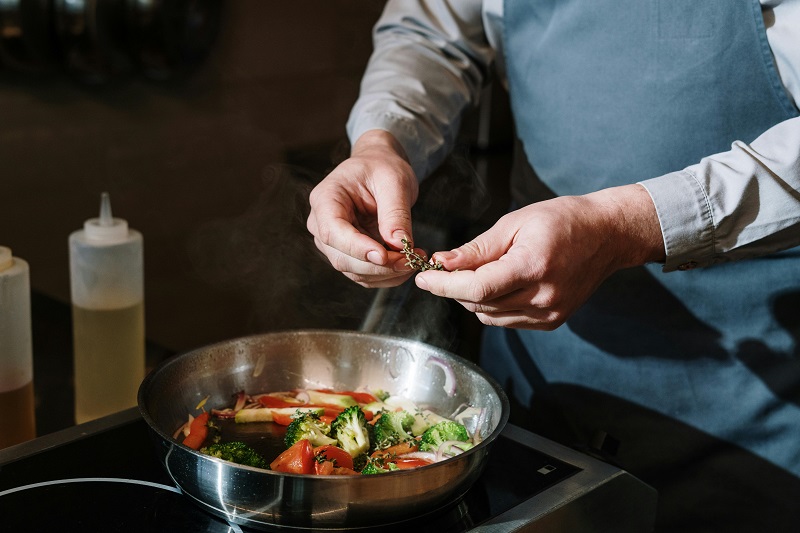
Fresh herbs like cilantro, parsley, and basil should almost always be added at the very end of cooking. Adding them one to two minutes before serving helps preserve their bright color and clean flavor. If cooked too long, they lose their vibrancy and turn dull.
Freshly cracked black pepper also belongs in this category. Adding it at the end keeps its sharp bite intact. Salt is a little different. It should be layered throughout the entire cooking process to build even seasoning from start to finish.
Think of classic tacos. A final sprinkle of cilantro brings everything to life right before serving. Or imagine fried chicken finished with parsley for a fresh contrast against the crispy coating. These small last-second additions create a big impact on flavor and presentation.
Special Cooking Methods
Different cooking methods change how spices behave, so timing needs to adapt.
For slow cookers, spices usually go in early. The long cooking time allows full extraction of flavor, making every ingredient blend together smoothly. Grilling works differently, where dry rubs are applied before cooking so smoke can infuse into the spices.
When baking, such as with cornbread or cookies, spices are typically mixed into the batter from the start to ensure even distribution.
Roasting in the oven benefits from occasional stirring or mid-cook seasoning adjustments, depending on the dish. Whether you are making Southern fried chicken or Southwest enchiladas, adapting your spice timing helps you consistently achieve better results.
Pro Hacks and Common Mistakes
Here is a simple but powerful hack: always do a small toast test first. Cook a tiny batch of your spice blend and smell the result. If it smells rich and appealing, you are on the right track.
Storage matters too. Keep spices in cool, dark places inside airtight containers. Old spices lose potency quickly, and many home cooks underestimate how much this affects flavor.
One major mistake is adding everything at once. Layering is the key. Each spice has its moment in the cooking process.
A personal example helps illustrate this. A Thanksgiving turkey once turned out bland because all the spices were added at the end. The next year, the spices were bloomed early, layered properly, and the result was a completely different experience. The flavor was deeper, richer, and far more satisfying.
Quick-Reference Chart
| Spice Type | Best Timing | U.S. Dish Example |
|---|---|---|
| Ground/Earthy | Early (1-2 min in oil) | Tex-Mex chili, gumbo |
| Bold/Spicy | Midway (post-browning) | BBQ ribs, enchiladas |
| Fresh/Aromatic | End (1-2 min) | Tacos, fried chicken |
| Whole Spices | Toast first, then oil | Curry chicken |
Your Turn to Experiment
Now it is your turn to take control of the flavor game. Grab your apron, head into the kitchen, and try these techniques tonight. Start simple with tacos or a quick stir-fry and pay attention to when you add each spice.
Which timing trick surprised you the most? Which spice transformation made the biggest difference? Share your experience and start experimenting like a pro. The more you practice, the more intuitive it becomes. Spice boldly and cook with confidence.
FAQ
When is the best time to add garlic?
Usually mid-cooking or near the end to avoid burning and bitterness.
When should salt be added?
Salt works best in layers throughout the entire cooking process.
How do spices work in a slow cooker?
Most spices go in early so they can fully infuse over time.
What is the difference between fresh and dried herbs?
Dried herbs go in early for infusion, while fresh herbs go in at the end for brightness and aroma.
This post is generated by Chatgpt